
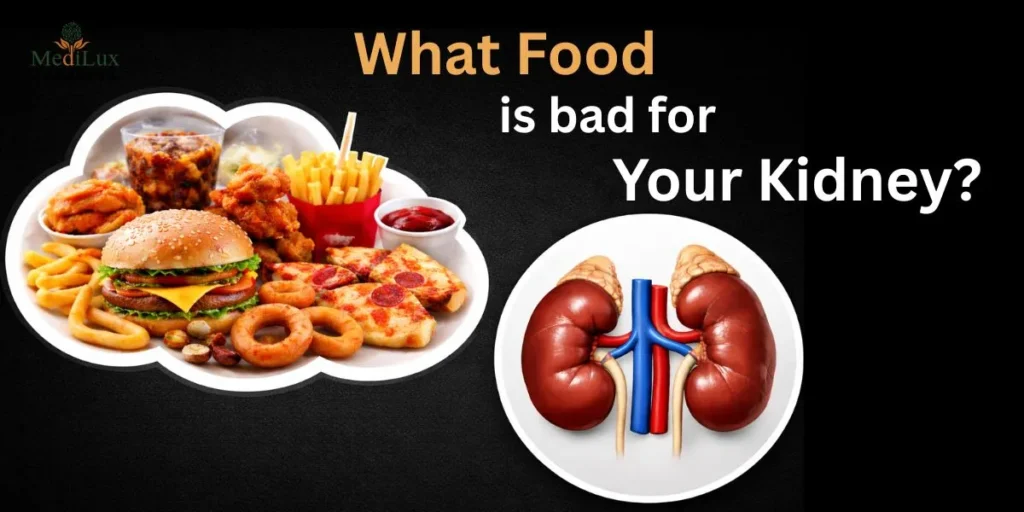
You may not be thinking about them very often, but your kidneys are hard at work non-stop, keeping you alive and in balance. These little bean-shaped organs are always at work filtering your blood, keeping impurities out, and in balance. They are like that good friend of yours that is always there when duty calls, never complains, and never wants any credit. What food is bad for your kidney?” is a question many people across the United States are asking—and for good reason. Kidney health is closely tied to everyday food choices. Whether you’re in Dallas, Phoenix, San Diego, Austin, or anywhere else in the USA, Medilux Ayurveda is here to guide you with a holistic approach designed to support kidney health and slow disease progression. Don’t wait to take action—contact us today and take the first step toward your recovery.
The thing is, though, even the most efficient systems have breaking points. Case in point: our poor, abused kidneys. Prolonged stress on the old kidneys? Not a good thing. And the worst offenders? You guessed it: food.
Well, okay. Let’s just talk plainly and honestly about what food is bad for your kidney, if you are experiencing kidney problems.
Why Food Matters So Much for Kidney Health
Everything you eat eventually goes into your blood stream, and the kidneys work at filtering out what is not needed in your body. Certain foods can create more waste, more sodium, or more minerals than the kidneys can comfortably handle-especially if kidney function is already reduced.
Over time, regular consumption of kidney-unfriendly foods can:
- Increase blood pressure
- Causing fluid retention and swelling
- Have the ability to lead to electrolyte imbalances
- Accelerate renal impairment
That doesn’t mean you should fear food. It simply means awareness counts.
What Food Is Bad for Your Kidney?
1. Processed and Packaged Foods
Highly processed foods are one of the biggest enemies of kidney health. Items like instant noodles, frozen meals, packaged snacks, and fast food are loaded with sodium, preservatives, and additives.
Too much sodium forces the kidneys to work overtime and can raise blood pressure, which is one of the leading causes of kidney damage. Even foods that don’t taste salty can contain shocking amounts of hidden sodium.
2. Excess Salt and Salty Foods
Salt may seem harmless, but it plays a major role in kidney stress. Pickles, sauces, canned soups, deli meats, and salty snacks can all push sodium intake far beyond healthy limits.
When sodium builds up:
- The body retains water
- Blood pressure rises
- Kidneys struggle to maintain balance
For people with kidney disease, salt is often one of the first things that must be reduced.
3. Red Meat and Processed Meats
Red meat and processed meats such as bacon, sausage, and hot dogs are difficult for the kidneys because they create waste products in our bodies.
A diet that contains high amounts of animal protein can:
- Increase Creatinine Levels
- Create more acid in the body.
- Stress kidneys over time
This does not mean that one should never eat meat, but that the frequency of large quantities can be an issue, particularly for those with concerns about their kidneys.
4. Sugary Foods and Sweetened Drinks
Sugar doesn’t hurt the kidneys directly; rather, it hurts them indirectly. One thing that too much sugar can cause is obesity, resistance to insulin, or diabetes—a leading cause of kidney failure.
Sugary sodas, sweets, pastries, and other sweetened drinks promote inflammation, which makes sugar control a lot harder.
5. Foods High In Phosphorus
Phosphorus is a substance that usually can be cleared from the bloodstream by normal, healthy kidneys but is not readily removable by damaged ones.
Foods with high phosphorus content:
- Cola Drinks
- Processed Cheese
- Packaged baked products
- Fast Food
Phosphorus can cause weakness of the bones and heart problems in patients with kidney disease.
6. Foods High in Potassium (In Certain Cases)
Potassium is important for muscles and nerve functions, but when kidneys are not functioning well, too much potassium may accumulate to dangerous levels.
Foods high in potassium:
- Bananas
- Oranges
- Potatoes
- Tomatoes
In addition, for individuals whose kidney function is significantly compromised, there may be a need to restrict their intake of potassium. However, this will vary according to the patient’s
Is That a Message That You Can’t Ever Really Enjoy Your Food?
Not at all.
Being healthy with your kidneys: It’s not about being good or bad, but about being balanced. “Bad” foods for your kidneys are okay in small portions or prepared differently.
What matters most is:
- Overall dietary pattern
- Portion size
- Kidney function stage
- Medical guidance
Some friendly tips to keep your kidneys happy
- Drink water consistently, never excessively. Hydration keeps the kidneys flushing out waste, but more is not better-steady intake throughout the day works best.
- Take it easy on the salt. If by cutting back on salty snacks, packages of foods, and take-out foods, this can drastically cut the workload on the kidneys and help to control blood pressure.
- Opt for fresh over processed whenever possible. Fresh foods contain fewer additives and exert less stress on kidney function.
- Watch portion sizes. Even nutritious foods can stress out your kidneys if you have too much of them.
- Keep the intake of protein in balance. Proteins are essential, but excess-even more so from red and processed meats-increases kidney workload.
- Manage blood pressure and blood sugar. These two are major determinants in the long term for the health of the kidneys.
- Regular exercise can be very helpful. Light, ongoing exercise conveys blood through the system and supports kidney function.
- Get regular check-ups. Simple blood and urine tests can detect kidney problems early, when they are easier to treat.
Small, consistent actions add up. Your kidneys work hard for you all day, every day; being kind to them helps them return the favor.
Conclusion
But what food is bad for your kidney? Well, clearly not a single food item, but rather a group of food items that contain a high amount of sodium, processed food, sugar, and a high amount of protein.
While your kidneys may not complain, they remember how you treat them, and providing your body with more intelligent food choices can make a big difference in what they can do for you in the future.
If you have kidney concerns or dietary confusion, consult a healthcare professional. You can also book an online consultation with Medilux Ayurveda, offering personalized kidney-friendly dietary guidance to every individual across all city in the United States of America!
Medical Disclaimer
This content is for informational purposes only and does not replace professional medical advice. Always consult a healthcare provider or renal dietitian for personalized kidney care guidance.