
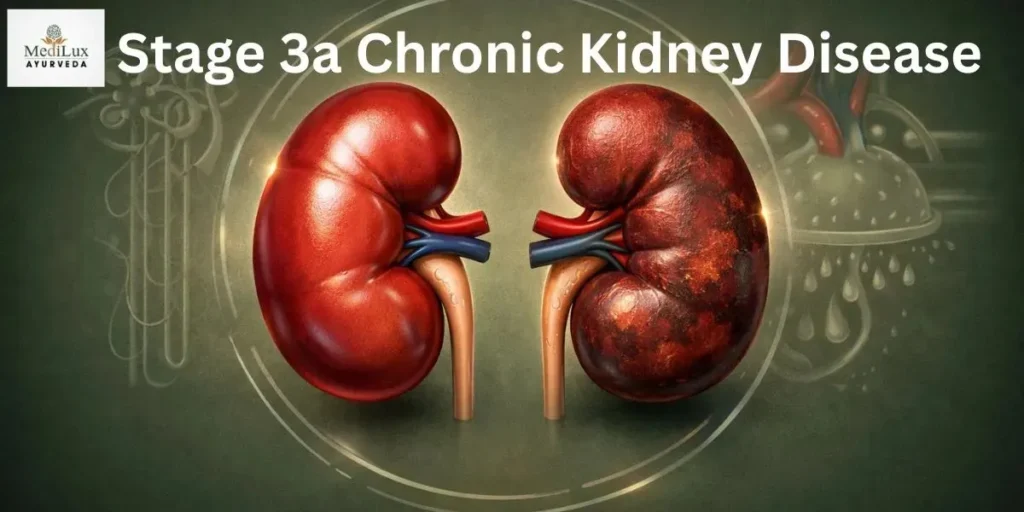
Stage 3a Chronic Kidney Disease, abbreviated as CKD, represents an important stage where the kidneys enter a condition where their functioning deteriorates, but with the right treatment, it can be controlled. Many patients are identified during a blood test or urine test. Awareness about the causes, symptoms, and treatment for Stage 3a CKD can play an important role in halting the progress of this disease.
In this blog, we are going to cover everything you need to know about stage 3a Chronic Kidney Disease.
What Is Stage 3a in Chronic Kidney Disease?
There are five stages of Chronic Kidney Disease, based on the estimated GFR, which gives the measure of how efficiently the kidneys filter the waste from the blood.
- Stage 3a CKD: GFR = 45-59 mL/min/1.73
- Suggests mild to moderate kidney injury
In this condition, both kidneys are still active but not as efficient as they should be. Early treatment in Stage 3a is extremely beneficial to prevent further deterioration of kidneys.
Causes of Stage 3a Chronic Kidney Disease
The development of Stage 3a CKD depends on a variety of health conditions and lifestyle factors. In summary, the most frequent causes include:
- Diabetes
Over time, high blood sugar levels destroy the blood vessels in the kidney, making diabetes the most common cause of CKD in the world.
- High Blood Pressure
Uncontrolled hypertension exerts too much pressure on kidney filters, resulting in gradual damage to the kidneys.
- Long-Term Use of Painkill
When ibuprofen and diclofenac medications are frequently taken, they can lead to kidney dysfunction.
- Kidney Infections & Stones
Frequent urinary tract infections or kidney stones can result in Scars, which impair Kidney Efficiency.
- Autoimmune and Genetic Disorders
Issues such as lupus nephritis or polycystic kidney disease can result in the eventual damage of the kidneys.
Symptoms that occur in patients with Chronic Kidney Disease Stage 3a
Many patients will have no symptoms or mild symptoms of Stage 3a CKD. In those instances when symptoms are present, they might include:
- Wearying fatigue and weakness
- Swelling in ankles, feet, and hands
- Urinary changes (frequency and/or pigmentation)
- Pain in the lower back or flank area is usually mild.
- High Blood Pressure
- Early signs of Proteinuria
Owing to the mild nature of the symptoms, Stage 3a CKD is usually discovered as a result of blood creatinine measurements, calculated eGFR, or urine tests.
How Is Stage 3a CKD Diagnosed?
Doctors conduct various tests to verify Stage 3a Chronic Kidney Disease:
- Blood tests for creatinine and calculation of eGFR
- Urine tests: Look for Protein, Albumin, or Blood Presence
- Monitoring of Blood Pressure
- Imaging studies: Ultrasound or scan if required
Early detection is an important factor in the prevention of progression.
Treatment Options for Stage 3a Chronic Kidney Disease
Although renal damage cannot be reversed in most instances, Stage 3a CKD is generally successfully treated with the proper treatment plan.
- Medical Management
- ACE inhibitor or ARBs that control the blood pressure
- Blood sugar management among diabetic patients
- Treatment of anemia and mineral deficiencies
- Avoiding nephrotoxic medications
- Nutrition and Diet
In Stage 3a CKD, a kidney-friendly diet plays an important role:
- Control Blood Pressure: Limit sodium
- Moderate protein intake
- Manage potassium and phosphorus levels
- Consume fresh fruits, vegetables, and whole grains.
- Avoid foods that are processed or packaged.
A renal dietitian can create an individualized meal plan based on lab results.
- Lifestyle Changes
- Take care of weight.
- Exercise regularly (light to moderate activity)
- Stop smoking and drink in moderation
- Drink fluids as recommended by the physician
Contribution of Ayurveda to Stage 3a Chronic Kidney Disease
Role of Ayurveda in Stage 3a Chronic Kidney Disease
Ayurveda is a method of restoring balance to one’s natural processes, which could include, but not be limited to, a treatment plan for a person with CKD to ensure the well-being of one’s kidneys. Herbal remedies, cleansing procedures, and a special dietary
- Minimize Toxin Build-Up
- Help improve metabolic balance
- Urinary system function support
- Improve overall well-being
The treatment of Ayurveda should always be done under the supervision of a professional and with monitoring.
Can Stage 3a Chronic Kidney Disease be Reversed?
In the third stage ‘a’ Chronic Kidney Disease (CKD), the condition can’t be reversed; however, the progression can be retarded. Many patients can remain stable for a very long time with early treatment and avoid further progressions.
Important factors in determining outcomes include:
- Control of your blood pressure and diabetes
- Eating discipline
- Regular follow-ups and lab tests
Complications if Left Untreated
CKD.stage 3a, without proper attention, can advance and culminate in the following:
- Stage 3b to Stage 4 CKD
- Cardiovascular disease
- Anemia & BONe Disorders
- Electrolyte imbalance
Thus, it is important to seek treatment in the early stages
A Healthy Lifestyle for a Person with Stage 3a Chronic Kidney Disease
Stage 3a Chronic Kidney Disease doesn’t mean that failure of the kidneys is inevitable. If properly managed, one can lead a healthy life.
Monitoring, patient education, and having a positive outlook are very important for maintaining kidney function.
Conclusion
Stage 3a Chronic Kidney Disease : Causes, Symptoms, and Treatment Options are very important to be aware of for early kidney care. This stage provides a window of opportunity in which progression can be slowed and kidney function preserved.
If you or your loved one is diagnosed with Stage 3a CKD, consultation with a qualified healthcare provider and following an inclusive approach for treatment are necessary to help restore renal health and overall well-being.
FAQs (Stage 3a Chronic Kidney Disease)
How serious is stage 3a kidney disease?
Stage 3a kidney disease is called a moderate condition; kidney function is mildly to moderately reduced-eGFR 45-59. It may not cause clear symptoms, but damage is present. Early treatment can often slow further kidney decline with lifestyle changes and regular monitoring.
What is the best treatment for stage 3a kidney disease?
The ideal approach to stage 3a kidney disease involves the deceleration of further progression with protection of the remaining renal function. Treatment involves blood pressure and blood sugar control, a renal-friendly diet-low salt intake and balanced protein intake-adequate hydration, avoidance of analgesics such as NSAIDs, maintenance of body weight, and regular follow-up by a physician. Early and consistent care is important.
Is dialysis required for stage 3a kidney disease?
No, stage 3a kidney disease does not require dialysis. During the third stage, moderately reduced renal functions are still enough to filter the waste. Therefore, the treatment involves the control of the underlying cause, lifestyle modification, proper diet, and regular follow-up to prevent the progression of the disease to more advanced stages that may require dialysis.
How bad is kidney disease stage 3a?
Stage 3a kidney disease is considered moderate and not severe. Kidney function is reduced to approximately 45–59%, but most people still have no symptoms. If adequately treated, following a kidney-friendly diet, and having regular follow-ups, the progression can often be appropriately slowed, if not stabilized, to prevent serious complications.