
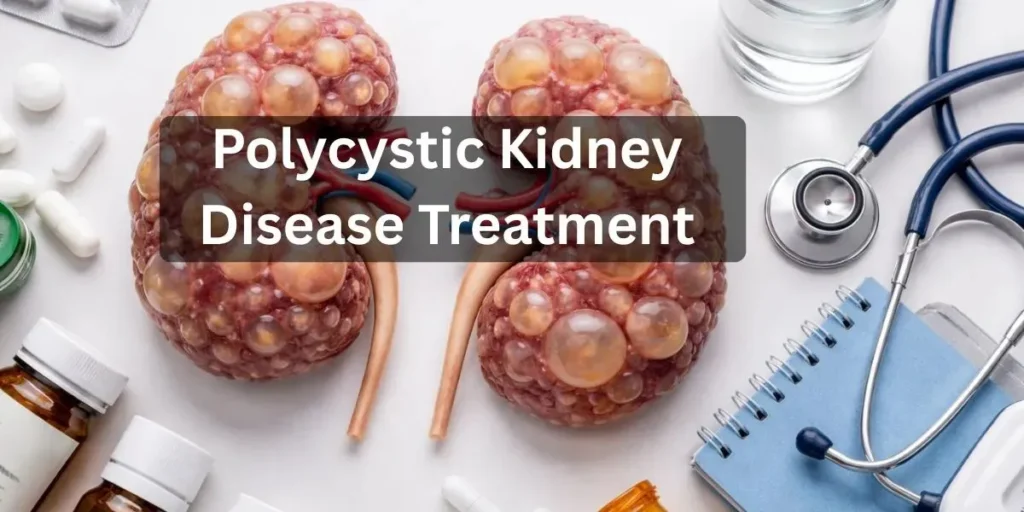
Polycystic Kidney Disease Treatment: Options, Management, and Lifestyle Care in the USA
Polycystic Kidney Disease (PKD) is a genetic kidney disorder that involves the growth of multiple fluid-filled cysts within the kidneys, which eventually impair their function. In the United States, PKD is a prominent cause of inherited chronic kidney disease and kidney failure. Although there is no definitive cure for the disease, polycystic kidney disease treatment aims to slow the progression of the disease and enhance the patient’s quality of life.
This article provides information on the latest treatment options for PKD in the USA.
Understanding Polycystic Kidney Disease
PKD exists in two forms:
- Autosomal Dominant PKD (ADPKD) – Most common among adults
- Autosomal Recessive PKD (ARPKD) – Rare and often diagnosed in infancy
In ADPKD, the cysts cause the kidneys to enlarge, resulting in high blood pressure, pain, infections, and ultimately kidney failure if not treated.
Early diagnosis and treatment of polycystic kidney disease can greatly delay the onset of complications.
Objectives of Treatment in Polycystic Kidney Disease
The main objectives of treatment in PKD are:
- Slowing the growth of cysts
- Maintaining kidney function
- Controlling blood pressure
- Relieving pain and infections
- Preventing kidney failure
- Improving the quality of life
Polycystic Kidney Disease Treatment in the USA is often tailored according to the patient’s age, kidney function (eGFR), symptoms, and health status.
Medications for Polycystic Kidney Disease Treatment
1. Blood Pressure Control
Hypertension is prevalent in PKD and contributes to the progression of kidney disease. Physicians in the USA usually prescribe:
- ACE inhibitors (e.g., Lisinopril)
- ARBs (e.g., Losartan)
Maintaining a blood pressure level of less than 130/80 mmHg is an essential aspect of PKD management.
- Tolvaptan (FDA-Approved Therapy)
Tolvaptan is the first FDA-approved medication for the treatment of ADPKD in the USA. It works by helping to slow the growth of cysts and the loss of kidney function in patients at risk of fast progression of the disease.
Benefits:
- Slows the enlargement of the kidneys
- Delays the failure of the kidneys
Considerations:
- Needs frequent monitoring of the liver
- Increases thirst and urination
- Not for all patients
A nephrologist decides whether the patient can take this medication based on imaging studies and kidney function tests.
- Pain Management
Kidney pain from cyst enlargement is also very common. PKD can be treated with:
- Acetaminophen (safe for the kidneys)
- Cyst aspiration (for severe pain)
- Physical therapy and heat therapy
NSAIDs such as ibuprofen are generally not recommended because of the risks to the kidneys.
- Treating Infections
Urinary tract infections and kidney infections are also common in PKD patients.
Lifestyle Changes for Polycystic Kidney Disease Treatment
Lifestyle is an important factor in slowing the progression of the disease.
1. PKD-Friendly Diet
A kidney-friendly diet may include the following:
- Low sodium intake (less than 2,300 mg per day)
- Moderate protein intake
- Less processed foods
- Adequate fluid intake (as recommended by a physician)
Most US nephrologists suggest the DASH or Mediterranean diet modified for kidney patients.
- Hydration Strategy
Staying hydrated may also lower vasopressin levels, which are associated with cyst growth. However, staying hydrated should be individualized, particularly in the later stages of CKD.
- Exercise and Weight Management
Exercise can help:
- Regulate blood pressure
- Decrease kidney workload
- Improve cardiovascular health
Exercise can be achieved through low-impact activities such as walking, swimming, and yoga.
Advanced Treatment for Polycystic Kidney Disease
1. Dialysis
If PKD advances to end-stage kidney disease, dialysis is required.
Types of dialysis used in the USA:
- Hemodialysis
- Peritoneal dialysis
Dialysis is a life-sustaining treatment but will not halt PKD.
- Kidney Transplant
Kidney transplant is the most successful long-term therapy for PKD patients with kidney failure.
Advantages:
- Improved quality of life
- Increased survival rates over dialysis patients
Many PKD patients in the USA are highly suitable for transplantation.
Complementary and Supportive Care
Some patients look into alternative methods for managing their condition, including:
- Stress management strategies
- Dietary advice
- Mind-body therapies
While these methods can be helpful in maintaining good health, they should never be used as a substitute for PKD treatment. Always consult a nephrologist before pursuing alternative treatments.
Monitoring and Regular Testing
Regular monitoring is a key part of successful PKD management:
- Blood pressure measurements
- Kidney function tests (eGFR, creatinine)
- Imaging studies (MRI or ultrasound)
- Liver cyst monitoring
- Cardiovascular evaluations
Regular follow-ups can help identify complications early on.
Living with Polycystic Kidney Disease in the USA
Thanks to current polycystic kidney disease management, many patients in the USA live long and productive lives. Early treatment, medication compliance, healthy lifestyle habits, and professional care make a huge difference.
Patient support groups, PKD foundations, and kidney health organizations in the USA offer education and support to patients and families.
When to See a Kidney Specialist
You should see a nephrologist if you have:
- Flank or abdominal pain that persists
- Difficulty controlling high blood pressure
- Blood in your urine
- Urinary tract infections that keep recurring
- A family history of PKD
Early treatment from a specialist makes a big difference.
Conclusion : Polycystic Kidney Disease Treatment
While there is no long-term cure for polycystic kidney disease yet, treatment for PKD has come a long way in the USA. With the availability of FDA-approved drugs such as Tolvaptan, along with lifestyle modifications for protecting your kidneys and kidney transplants, there have never been more options for patients to effectively manage their condition.