
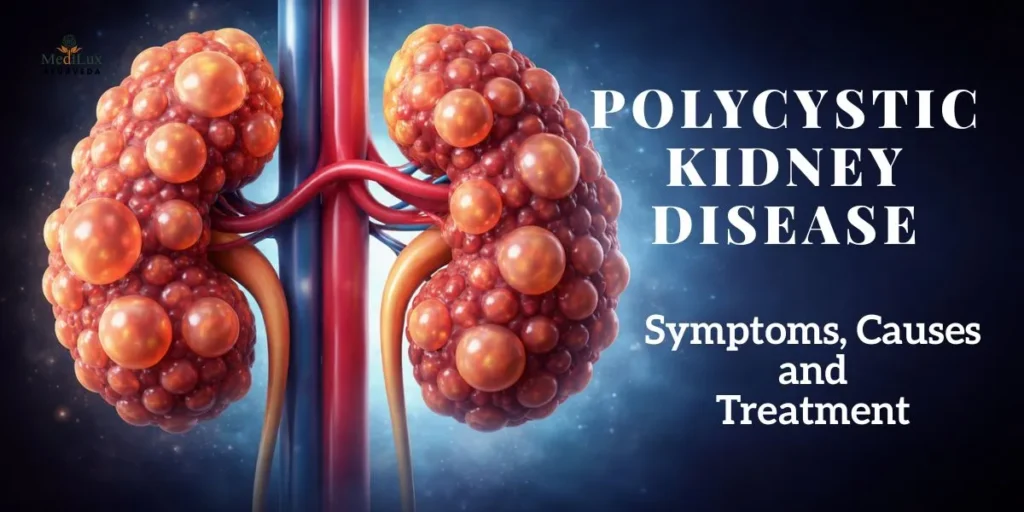
Polycystic Kidney Disease (PKD) is a genetic disease characterized by cysts that form in the kidneys. These cysts are essentially fluid-filled sacs that progressively grow to produce enlarged kidneys. In effect, the disease interferes with normal function of the kidneys.
PKD affects millions of people worldwide and is considered one of the most prevalent hereditary disorders among those suffering from kidney disease. There is no known cure for polycystic kidney disease, but timely diagnosis and proper treatment can help slow the progress of the disease.
What is Polycystic Kidney Disease?
Polycystic kidney disease (PKD) is a genetic disorder in that a number of cysts form on the kidneys. These cysts are benign; however, a large number of them can cause the kidneys to become enlarged and impair the filtering process.
Over time, PKD can result in:
- Chronic kidney disease (CKD)
- High Blood Pressure
- Kidney failure
- Other systemic complications
Unlike simple kidney cysts, which may be part of the aging process, PKD cysts are progressive and genetic in origin.
Types of Polycystic Kidney Disease
PKD has two main types, which are classified depending on their genetic inheritance and age of onset.
1. Autosomal Dominant Polycystic Kidney Disease
The most common form is ADPKD, which accounts for 90% of all such cases.
Key Characteristics:
- Symptoms develop between ages 30-50
- Only one mutated gene from one parent is necessary
- Each offspring of an affected individual has a 50 percent probability of inheriting it
- Cysts enlarge over a period of decades
A diagnosis of ADPKD typically occurs in adulthood during the evaluation for high blood pressure or during the imaging for unrelated conditions.
2. Autosomal Recessive Polycystic Kidney
ARPKD is a rare disorder that most commonly manifests in infancy or early childhood.
Key characteristics:
- Both parents must be carriers of the mutated gene
- Often detected before or shortly after birth
- May cause severe kidney and liver problems
An early age ARPKD may be fatal in newborns with severe forms.

What Causes Polycystic Kidney Disease?
The cause of PKD is genetic mutations affecting particular genes responsible for cell growth in the kidney.
Gene Mutations Involved
- PKD1 gene (responsible for about 85% of ADPKD
- PKD2 gene (accounts for ~15%)
- PKHD1 gene (in ARPKD)
These mutations disrupt the signaling of the cell, which should be able to function but instead develops cysts.
Is Polycystic Kidney Disease Genetic?
Yes. PKD has a genetic cause. In autosomal dominant PKD, only one gene mutation causes the disease. In autosomal recessive PKD, two gene mutations cause the disease.
Genetic counseling is strongly recommended for families with a known history of PKD.
Polycystic Kidney Disease Symptoms
Symptoms vary depending on the type and stage of disease. In many cases, persons suffering from ADPKD may not experience symptoms until adulthood.
Common symptoms include:
- High blood pressure
- Back or side pain
- Enlarged abdomen
- Blood in the urine (hematuria)
- Frequent urinary tract infections
- Kidney stones
- Headaches
- Fatigue
In advanced stages, symptoms associated with kidney failure will be experienced:
- Swelling in legs and ankles
- Shortness of breath
- Nausea
- Reduced urine output
Complications of Polycystic Kidney Disease
However, PKD does not affect the kidneys alone. Since it is a systemic disease, there are chances of complications in other organs as well.
1. Chronic Kidney Disease (CKD)
The majority of individuals with ADPKD will develop CKD. It is estimated that 50-60% of individuals will develop ESRF by the time they reach
2. High Blood Pressure
Hypertension is usually the first sign of PKD. It hastens kidney damage if not treated.
3. Liver Cysts
Liver cysts are common among adult individuals with ADPKD. Although liver cysts are typically harmless, discomfort or enlarged liver might occur.
4. Brain Aneurysms
Some PKD sufferers may be at increased risk of developing aneurysms, which are weak areas in blood vessel walls in the brain, which can cause harm when they rupture.
5. Heart Valve Abnormalities
Mitral valve prolapse occurs more frequently in individuals with PKD.
6. Pregnancy Complications
Women suffering from PKD and hypertension may be more vulnerable during pregnancy.
Treatment Options for Polycystic Kidney Disease
While there is no cure for the disease, the focus of treatment is to slow its progression and control any complications.
1. Blood Pressure Control
Maintaining optimal blood pressure is critical.
Common medications:
- ACE inhibitors
- ARBs
Controlling blood pressure significantly reduces kidney damage progression.
2. Tolvaptan
Tolvaptan is an FDA-approved medication for slowing cyst growth in ADPKD.
It works by blocking vasopressin, a hormone involved in cyst development.
However, it requires monitoring due to potential liver side effects.
3. Pain Management
Chronic pain may result from enlarged kidneys or cyst rupture.
Management options include:
- Acetaminophen (preferred over NSAIDs)
- Cyst drainage in severe cases
NSAIDs should generally be avoided due to kidney stress.
4. Treating Infections
UTIs should be treated promptly to prevent complications.
5. Dialysis
When kidney failure occurs, dialysis removes waste and excess fluids.
6. Kidney Transplant
Kidney transplantation offers the best long-term outcome for end-stage PKD.
Polycystic Kidney Disease Ayurveda: A Natural Approach to Healing
The ancient practice of natural medicine known as Ayurveda provides a viable alternative treatment option for PKD patients, which has been in use for centuries. At Medilux Ayurveda, we have distinguished team members who practice traditional natural medicine and modern technology to design a treatment strategy designed carefully according to individual needs. The treatment aims at the root cause of the disease, using herbal medicine, diet control, and detoxification therapies instead of just relieving the symptoms of the illness.
Key Elements of Polycystic Kidney Disease Treatment in Ayurveda:
- Herbal Medicines: Herbs like Punarnava, Gokshura, and Varuna are known to support kidney function and reduce inflammation.
- Panchakarma Therapies: Detoxification treatments such as Virechana (purgation) and Basti (medicated enema) help cleanse the body and rejuvenate kidney tissues.
- Dietary Modifications: A low-sodium, low-protein diet tailored to the patient’s needs.
- Lifestyle Changes: Stress management through yoga and meditation to improve overall well-being.
Benefits of Polycystic Kidney Disease Ayurvedic Treatment
Polycystic Kidney Disease Ayurveda helps in the balancing of the doshas, or the forces of nature, within the body, which helps to keep the body in harmony. The major benefits of Ayurveda include:
- Slowing the progression of kidney damage
- Reduction of size and growth rate of cysts
- Associated symptoms management such as hypertension and pain
- Improving kidney filtration and detoxification
- Enhancing overall vitality and immune function.
Medilux Ayurveda’s Comprehensive Approach to Healing
At Medilux Ayurveda, we blend traditional Ayurvedic practices with modern methods to deliver personal attention to all our patients. We have expert practitioners who examine the condition of the patient before preparing a treatment plan that is just perfect. Further, we only use 100% genuine herbal medicines that offer effective healing with minimum side effects.
Why Choose Medilux Ayurveda for PKD?
- Expertise in Polycystic Kidney Disease Ayurvedic Treatment
- Use of 100% authentic herbal medicines
- Emphasis on natural healing and minimal side effects
Life Expectancy with Polycystic Kidney Disease
One of the most common concerns is:
What is the life expectancy for someone with polycystic kidney disease?
The answer varies.
Individuals afflicted by ADPKD often live into their 60s and 70s, especially when modern treatment is used. Early diagnosis, control of hypertension, and proper management can greatly enhance prognosis.
Individuals afflicted by kidney failure may lead many more years of life with dialysis or transplantation. ARPKD prognosis depends on the level of the disease at birth.
When to See a Doctor
Seek medical attention if you experience:
-
Persistent back or side pain
-
Blood in urine
-
Severe headache
-
Sudden change in blood pressure
-
Swelling
-
Reduced urination
Early intervention improves long-term outcomes.
Final Thoughts
Polycystic Kidney Disease is a complex lifelong condition that must be actively managed. Although there is no cure, early intervention, monitoring of blood pressure, medication, and a healthy lifestyle are some measures that must be taken to slow down the progression of the condition.
In cases where individuals have a family history of PKD or present symptoms common in PKD, they should see a healthcare provider. With the advances in modern treatment, people with PKD live long and fulfilling lives.
For more information or to schedule a consultation, visit Medilux Ayurveda in USA today and learn more about the transformative power of Ayurveda for Polycystic Kidney Disease.