
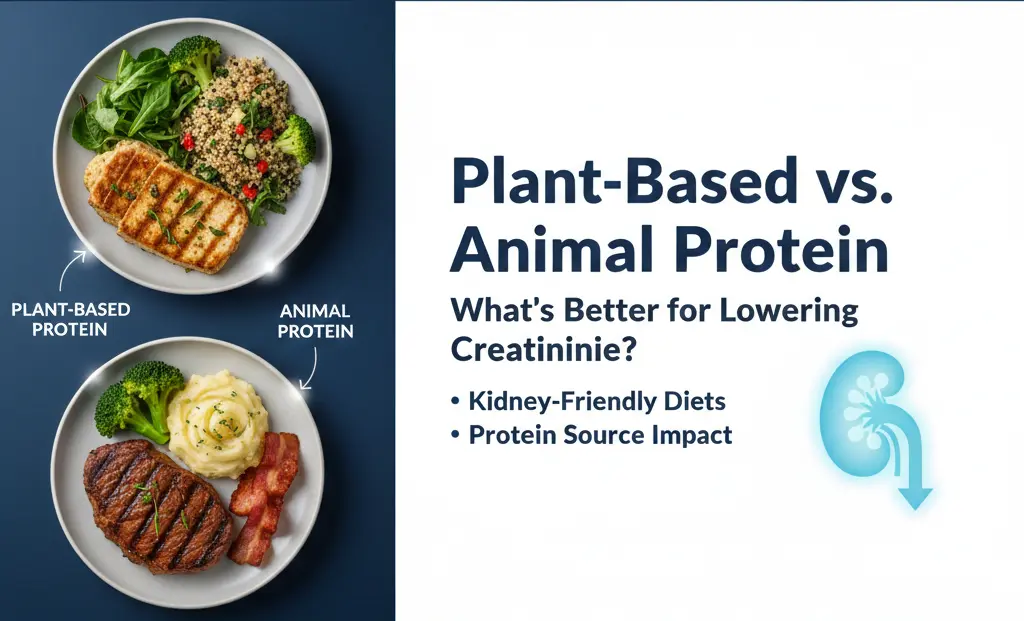
Plant-Based vs. Animal Protein: What’s Better for Lowering Creatinine?
When you are managing kidney health, the word “protein” often comes with a lot of baggage. For years, the standard advice was simply “eat less protein.” But as nutritional science has evolved in 2026, the conversation has shifted from how much you eat to where it comes from.
If you are looking to lower your creatinine levels and reduce the workload on your kidneys, the choice between a steak and a bowl of lentils matters more than you might think.
The Creatinine Connection
Creatinine is a waste product that comes from the normal wear and tear on muscles and the digestion of dietary protein. Healthy kidneys filter creatinine out of the blood. When kidney function slows, creatinine levels rise.
Animal protein, particularly red meat, contains high levels of creatine. When you cook and eat meat, that creatine converts to creatinine, causing a temporary but significant spike in your lab results. Plant proteins, conversely, do not contain creatine, making them a “cleaner” fuel source for those monitoring their levels.
The Benefits of Going Plant-Based
Switching to plant-based proteins like chickpeas, tofu, lentils, and quinoa offers several distinct advantages for kidney patients:
-
Lower Acid Load: Animal proteins are “acid-forming.” To neutralize this acid, the kidneys have to work overtime. Plant proteins are generally more alkaline, reducing metabolic stress.
-
Reduced Phosphorus Absorption: While plants have phosphorus, it is bound to “phytates” which the human body doesn’t absorb well. You get the nutrition without the phosphorus overload common with dairy and meat.
-
Fiber and the Gut-Kidney Axis: Plant proteins are packed with fiber. Fiber helps your body eliminate toxins through the digestive tract rather than forcing the kidneys to do all the heavy lifting.
Is Animal Protein Always the “Enemy”?
Not necessarily, but it requires strategy. High-quality animal proteins like egg whites or small portions of poultry provide essential amino acids. However, for those specifically trying to lower creatinine, animal protein presents two hurdles:
-
It increases “hyperfiltration” (the kidneys’ internal pressure).
-
It contributes more significantly to the buildup of nitrogenous waste.
A Note on “Whole” vs. “Processed”
A word of caution: Not all plant-based food is healthy for kidneys. Many “fake meats” found in grocery stores are loaded with sodium and potassium additives to mimic the flavor of meat. Always read the label! Your best bet is always whole, unprocessed plants.
Conclusion
If your goal is to lower creatinine and preserve kidney function, shifting toward a plant-dominant diet is one of the most effective tools in your kit. It lowers the acid load, reduces phosphorus absorption, and helps manage the underlying inflammation that drives kidney disease.
FAQs
Is switching to a plant-based diet going to lower my creatinine levels right away?
It can! Cutting out the creatine found in meat often results in a noticeable decrease in serum creatinine levels. Plus, it can help slow down the long-term damage to your kidneys.
What about the potassium found in beans and nuts?
Sure, some plants do have high potassium levels, but the fiber in whole plant foods actually helps your body get rid of excess potassium through your gut, making it safer than we once thought.
Do I need to go completely vegan?
Not at all! Even adopting a “plant-forward” approach—like swapping out two meat-based meals a day for plant-based ones—can really lighten the load on your kidneys.