

Kidney Shrinkage Ayurvedic Treatment : Natural Ways to Improve Kidney Health in the USA
Kidney shrinkage, medically known as small or contracted kidneys, is a serious condition that often develops due to long-term kidney damage. Many people in the USA search for natural and holistic solutions because conventional treatment mainly focuses on managing symptoms rather than restoring kidney function. This growing interest has led to increased attention toward Kidney Shrinkage Ayurvedic Treatment, which aims to support kidney health naturally and slow disease progression.
In this article, we’ll explain kidney shrinkage, its causes, symptoms, diagnosis, and how Ayurveda offers a natural approach to improving kidney function and quality of life.
What is Kidney Shrinkage?
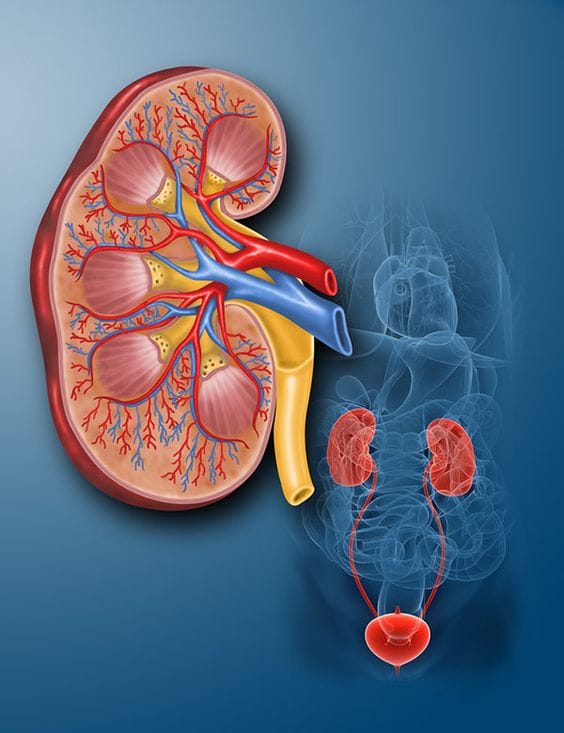
Kidney shrinkage occurs when one or both kidneys reduce in size due to chronic damage. Healthy adult kidneys are typically about 10–12 cm in length. When kidneys shrink, it indicates loss of functional tissue, which can severely affect waste removal and fluid balance in the body.
Kidney shrinkage is often associated with:
- Chronic Kidney Disease (CKD)
- Long-standing diabetes or hypertension
- Recurrent kidney infections
- Kidney stones
- Poor blood supply to kidneys
Common Symptoms of Kidney Shrinkage
In early stages, kidney shrinkage may not cause noticeable symptoms. As the condition progresses, patients may experience:
- Fatigue and weakness
- Swelling in feet, ankles, or face
- Reduced urine output
- Frequent urination at night
- Loss of appetite
- Nausea and vomiting
- High blood pressure
- Back or flank pain
- Shortness of breath
Many patients in the USA discover kidney shrinkage during ultrasound or CT scans performed for CKD evaluation.
Why Conventional Treatment Feels Limited
Modern medicine primarily focuses on:
- Controlling blood pressure
- Managing diabetes
- Reducing proteinuria
- Delaying progression
- Dialysis or kidney transplant in advanced stages
However, there is no direct medical treatment to increase kidney size or regenerate nephrons, which is why many patients look for Ayurvedic treatment for kidney shrinkage as a complementary or alternative option.
Understanding Kidney Shrinkage in Ayurveda
According to Ayurveda, kidney shrinkage is linked to an imbalance of Vata and Kapha dosha, along with weakened Mutravaha Srotas (urinary system channels).
Key Ayurvedic concepts involved:
- Accumulation of toxins (Ama)
- Poor digestion and metabolism
- Obstructed micro-channels
- Long-term imbalance of body energies
Ayurveda focuses on:
- Detoxifying the body
- Improving kidney circulation
- Supporting remaining kidney tissue
- Preventing further damage
Kidney Shrinkage Ayurvedic Treatment: How It Works
1. Ayurvedic Herbal Medicines
Ayurvedic treatment uses natural herbs known for kidney support, anti-inflammatory, and detoxifying properties.
Commonly used herbs include:
- Punarnava – Reduces swelling and supports kidney filtration
- Varuna – Helps clear urinary obstructions
- Gokshura – Improves urine flow and kidney strength
- Kasni – Supports renal detoxification
- Shirish & Apamarg – Help reduce toxin load
These herbs aim to slow kidney damage, improve urine output, and support overall kidney function.
2. Panchakarma Therapy (When Recommended)
In selected patients, Ayurvedic detox therapies like Basti (medicated enema) may be used to balance Vata dosha, which plays a major role in kidney degeneration.
Benefits may include:
- Improved metabolism
- Reduced toxin accumulation
- Better fluid balance
3. Ayurvedic Diet for Kidney Shrinkage
Diet plays a critical role in managing kidney shrinkage naturally.
Recommended dietary principles:
- Low protein (as advised)
- Low sodium
- Easily digestible foods
- Fresh, warm meals
Foods commonly suggested:
- Bottle gourd
- Pumpkin
- Apple
- Papaya
- Barley water
- Coconut water (if potassium levels allow)
Foods to avoid:
- Processed foods
- Red meat
- Excess dairy
- Packaged snacks
- High-salt foods
4. Lifestyle Changes Suggested in Ayurveda
For patients in the USA dealing with fast-paced lifestyles, Ayurveda emphasizes balance.
Helpful habits:
- Regular sleep cycle
- Gentle yoga and breathing exercises
- Stress management (meditation)
- Avoid smoking and alcohol
Stress reduction is crucial because chronic stress worsens kidney damage.
Can Kidney Shrinkage Be Reversed with Ayurveda?
This is one of the most searched questions online.
Kidney shrinkage cannot be fully reversed, but Ayurvedic treatment may help:
- Slow disease progression
- Preserve remaining kidney function
- Improve symptoms
- Delay dialysis
- Enhance quality of life
Many patients report stabilized creatinine levels and improved well-being with consistent Ayurvedic care.
Ayurvedic Treatment vs Dialysis: A Supportive Role
Ayurveda does not claim to replace dialysis, but it can:
- Support kidneys before dialysis
- Improve strength during dialysis
- Reduce complications
- Improve digestion and immunity
Many kidney patients in the USA use Ayurveda as a complementary therapy under medical supervision.
Who Should Consider Kidney Shrinkage Ayurvedic Treatment?
Ayurvedic treatment may be suitable for:
- CKD stage 2–4 patients
- Patients with shrinking kidneys on ultrasound
- People seeking natural kidney support
- Patients not yet on dialysis
- Those wanting to delay disease progression
Always consult both your nephrologist and an experienced Ayurvedic doctor before starting treatment.
Conclusion : Is Ayurvedic Treatment Worth Considering?
With rising kidney disease cases in the USA, many patients are exploring natural and holistic approaches. Kidney Shrinkage Ayurvedic Treatment offers a gentle, root-cause-based system that focuses on detoxification, balance, and organ support.
FAQs
What are the symptoms of kidney shrinkage?
Symptoms of kidney shrinkage often develop gradually and may include persistent fatigue, weakness, swelling in the feet, ankles, or face, reduced or frequent urination, especially at night, loss of appetite, nausea, vomiting, high blood pressure, back or flank pain, difficulty concentrating, and shortness of breath. In early stages, some people may have no noticeable symptoms.
How to recover a shrink kidney?
A shrunken kidney usually cannot be fully restored once permanent damage has occurred, but recovery focuses on preserving remaining function and preventing further shrinkage. Key steps include controlling blood pressure and diabetes, following a kidney-friendly diet (low salt, controlled protein), staying hydrated as advised, treating infections promptly, and avoiding painkillers that harm kidneys. Ayurvedic and lifestyle therapies may support kidney health when used alongside medical care.
What is the treatment for kidney shrinkage
Treatment for kidney shrinkage focuses on managing the underlying cause and slowing further damage, as the lost kidney tissue usually cannot be restored. It includes controlling blood pressure and diabetes, following a kidney-friendly diet, treating infections or urinary blockages, and avoiding nephrotoxic medications. In advanced cases, dialysis or kidney transplant may be required. Some patients also use Ayurvedic or supportive therapies alongside medical treatment to improve quality of life.
How to strengthen kidneys in Ayurveda?
In Ayurveda, kidney strength is improved by balancing Vata and Kapha doshas and supporting Mutravaha Srotas (urinary channels). Key practices include using herbs like Punarnava, Gokshura, Varuna, and Kasni, following a kidney-friendly diet with fresh, easily digestible foods, staying hydrated, practicing gentle yoga and pranayama, maintaining a regular sleep schedule, and reducing stress through meditation. Detoxification therapies like Basti may also help preserve kidney function naturally.