

Your kidneys function hard at work every single day. In reality, many sufferers do not give any concern to their kidney function until they experience some problem with their health. To improve kidney health is possible by achieving good health in your kidneys through natural means. Believe it or not, doctors as well as health experts advise us by agreeing that simple habits could help in reducing the risk of damage to the kidneys.
Now, here are some things you should consider starting today itself.
Quick Answer: How Can You Improve Kidney Health?
You can improve kidney health through hydration, a proper renal diet, salt and processed food limitation, control of blood pressure and sugar levels, and an active lifestyle. These habits keep the kidneys going and sustain overall well-being.
Why Kidney Health Matters More Than You Think
Your kidneys:
- Filter waste products and other toxins from the blood
- Regulate the balance of fluids and electrolytes
- Helps to control blood pressure
- Support bone and heart health
When renal function declines, wastes can accumulate in the body and essentially affect most of the other organ systems.
Everyday Changes That Improve Kidney Health Naturally
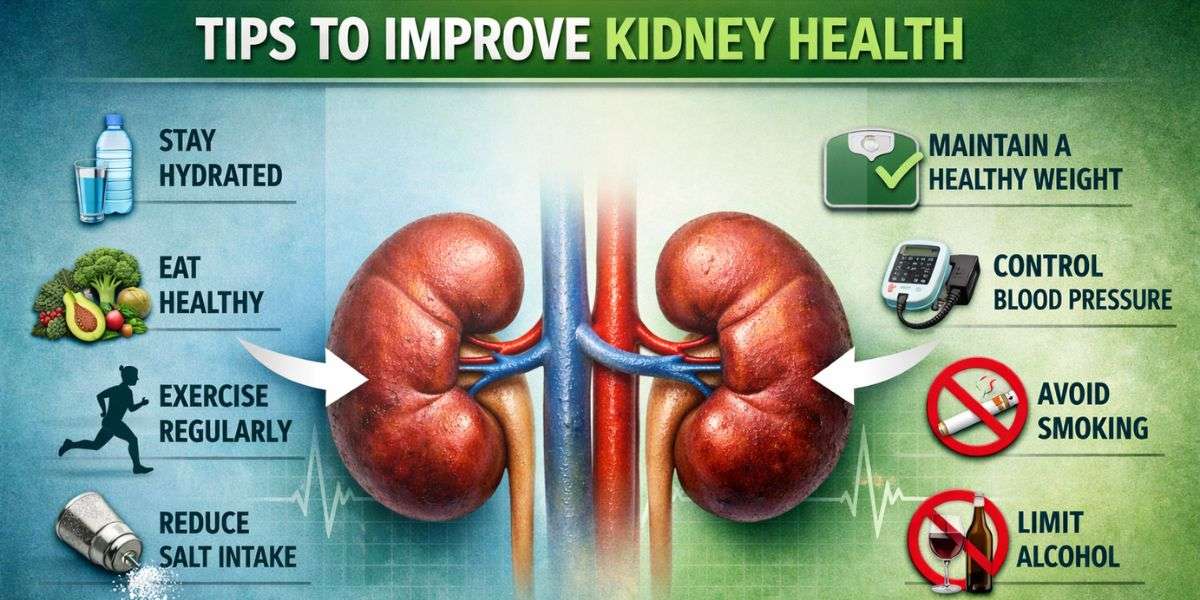
1. Drink Enough Water (But Don’t Overdo It)
Water helps your kidneys flush out waste efficiently.
Expert tips:
- Sip water throughout the day
- Pale yellow urine usually signals good hydration
- Avoid relying on sugary or energy drinks
2. Eat a Kidney-Friendly Diet
Your diet directly affects how hard your kidneys have to work.
Focus on:
- Fresh fruits and vegetables
- Whole grains
- Healthy fats like olive oil
- Moderate portions of lean protein
Limit:
- Processed and packaged foods
- Excess salt
- Sugary snacks and drinks
3. Cut Back on Salt
Too much sodium raises blood pressure — one of the leading causes of kidney damage.
Simple changes:
- Cook more meals at home
- Read nutrition labels
- Use herbs and spices instead of salt
4. Manage Blood Pressure and Blood Sugar
High blood pressure and diabetes are the top contributors to kidney disease.
To protect your kidneys:
- Monitor levels regularly
- Follow medical advice
- Maintain a healthy weight
5. Move Your Body Regularly
Physical activity increases circulation as well as overall metabolism, which is beneficial for renal health.
Aim for:
- 30 minutes of moderate activity most days
- Walking, cycling, swimming, or Yoga
6. Avoid Smoking and Excess Alcohol
Smoking limits the supply of blood to the kidneys, while excessive intake of alcohol may lead to dehydration, subsequently heightening blood pressure.
Giving up these customs also helps to maintain healthy kidneys and heart.
Best Foods to Improve Kidney Health
Some foods are particularly beneficial for supporting and nourishing the kidneys since they are low in salt content and rich in antioxidants and are easily digestible by them.
Kidney-friendly foods include:
- Berries
- Red bell peppers
- Olive oil
- Apples
- Cauliflower
Foods That Help vs Foods That Harm Kidney Health
| Kidney-Friendly Foods | Foods to Limit or Avoid |
|---|---|
| Berries | Processed meats |
| Apples | Fast food |
| Olive oil | Salty snacks |
| Cauliflower | Sugary drinks |
| Red bell peppers | Packaged meals |
Making Lifestyle Changes to Improve Kidney Health
Aside from diet and being hydrated, there are also various ways to promote kidney health through simple living habits.
Sleep Quality
Lack of sleep has also been associated with high blood pressure and metabolic disorders. It is advisable to get between 7-9 hours of quality sleep to maintain your kidneys and heart in good health.
Stress Management
It also has effects on blood pressure and blood sugar control. Deep breathing, walking, meditation, and exercises can help reduce stress and promote healthy kidneys.
Medication Awareness (NSAIDs)
Long-term use of commonly used relievers of pain such as ibuprofen or naproxen (NSAIDs) threatens your kidneys. It is therefore advisable to use them only when utterly needed and consult your physician if you need to frequently use them to relieve your pain.
Risk Factors vs Protective Factors
| Kidney Risk Factors | Kidney Protective Factors |
|---|---|
| High blood pressure | Blood pressure control |
| Diabetes | Blood sugar management |
| Obesity | Healthy weight |
| Smoking | Non-smoking lifestyle |
| Poor diet | Balanced nutrition |
Signs Your Kidneys May Need Attention
Contact a healthcare provider if you notice these symptoms of kidney diseases:
- Swelling in feet, ankles, or face
- Fatigue or weakness
- Changes in urination
- Foamy or dark urine
Early evaluation helps prevent long-term damage.
When Should You See a Doctor?
You should seek medical advice if you:
- Have diabetes or high blood pressure
- Have a family history of kidney disease
- Notice persistent symptoms
- Have abnormal lab results
Conclusion
Improving kidney health starts with everyday choices. The combination of hydration and proper nutrition and physical activity and blood pressure control will result in significant health improvements throughout an extended time period. Kidneys will benefit from your current minor improvements which you make today.
Frequently Asked Questions (FAQs)
Can kidney function be made better naturally?
Yes. A healthy lifestyle may help support the kidneys and slow the progression of kidney damage.
How Long Does it Take to Improve Kidney Health?
Results differ but improvements in hydration status, diet, and hypertension are noticeable from weeks to months.
What drinks help improve kidney health?
Water is best. Unsweetened herbal teas and low-sugar beverages may also work in moderation.