

Have you experienced any changes in urine frequency recently? Perhaps you have noticed that you are urinating more frequently than usual. Or maybe you have noticed that you are urinating less than usual. You may even be waking up several times a night to urinate.
Of course, changes in urination frequency from time to time can be normal. However, changes in urination frequency can also be a sign of an underlying health problem. Urinary tract infections, diabetes, and kidney disease are just a few examples of health problems that can cause changes in urination frequency.
In this comprehensive guide, we will discuss what is considered normal urination frequency, common reasons for changes in urination frequency, signs that you need to see a doctor, and when to see a doctor.
What Is Normal Urine Frequency?
For most people, the normal frequency of urination is as follows:
- 6-8 times a day
- 0-1 times at night
However, the following factors affect the frequency of urination:
- Fluid intake
- Consumption of caffeine or alcohol
- Age
- Medications, especially diuretics
- Climate and level of physical activity
Increased water intake will lead to an increase in the frequency of urination. However, if your urination frequency changes without a change in your fluid intake, it is something to pay attention to.
Types of Changes in Urine Frequency
Patterns of changes in urination frequency can occur in various forms. Knowing the type of change can help identify the possible cause.
Frequent Urination
This is urination that occurs more often than usual without any changes in fluid intake. You may need to urinate every hour or even more often.
Nocturia
Nocturia is the condition where you wake up two or more times in a single night to urinate. Not urinating at night occasionally is normal, but frequent episodes can be a sign of a health problem.
Reduced Urination
Urinating less often or urinating small amounts of urine can be a sign of dehydration, obstruction, or problems with the kidneys.
Urgency
The urgent need to urinate right away.
Weak Stream or Hesitancy
Difficulty starting the flow of urination or weak urine flow.
Each pattern may indicate a different underlying condition.
Common Causes of Increased Urine Frequency
Frequent urination is one of the most common urinary symptoms. It can be caused by lifestyle factors or medical issues.
Lifestyle-Related Causes
- Excessive fluid consumption
- Excessive caffeine intake
- Alcohol consumption
- Anxiety or stress
- Diuretic medications
These causes are usually not chronic and can be resolved by modifying one’s lifestyle.
Medical Causes of Frequent Urination
More serious causes include:
- Urinary tract infections (UTIs)
- Diabetes (Type 1 and Type 2)
- Overactive bladder
- Enlarged prostate (in men)
- Pregnancy
- Interstitial cystitis
- Kidney disease
If frequent urination persists for more than a few days without a clear cause, it is best to seek medical attention.
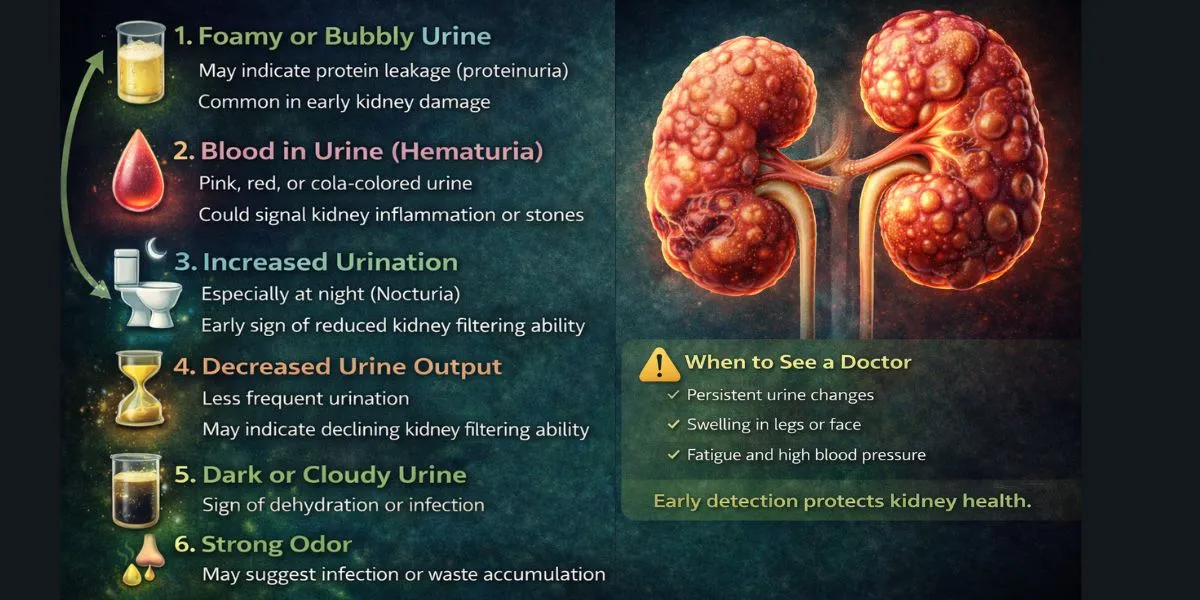
Understanding Urine Colors: What Yellow, White, and Normal Urine Mean
Normal urine is usually clear and pale yellow, or straw-colored. This is an indication of proper hydration and functioning kidneys. A normal adult urinates 6-8 times per day, and the urine should not have a pungent smell.
Yellow urine can range in color from light to dark. Light yellow is normal and a sign of good fluid balance, while dark yellow is a sign of dehydration. Neon yellow urine can be a result of vitamin B supplements and is not a cause for concern. Dark yellow urine with a burning sensation, pain, and a strong smell could be a sign of a medical problem.
White or cloudy urine is not a normal urine color. It can be a sign of urinary tract infections, kidney stones, dehydration, or high mineral content in the urine. If the cloudy urine is accompanied by a burning sensation, pain, fever, and urinating frequently, it is a sign that a doctor visit is necessary.
Can Kidney Disease Cause Changes in Urine Frequency?
Yes. Your kidneys help control the amount of fluid in your body by filtering waste products from your blood. As your kidneys work less effectively, your urine habits may change.
When you have early kidney disease, you may have:
- Frequent urination, especially during the night
- Foamy or bubbly urine
- Mild swelling in your legs and ankles
As your kidney disease advances, your urine output may be reduced drastically.
According to the National Kidney Foundation and the National Health Service, changes in your urination habits can be a sign of kidney problems.
If you have high blood pressure, diabetes, or a family history of kidney disease, changes in your urine habits should not be dismissed.
Diabetes and Frequent Urination
Frequent urination is usually one of the first symptoms of diabetes.
When the blood sugar level is high:
- The kidneys have to work harder to filter out the extra sugar
- More fluid is pulled into the urine
- Urination increases
- Thirst increases
If frequent urination is accompanied by excessive thirst, fatigue, or weight loss, blood sugar testing is necessary.
Urinary Changes in Men
Urinary changes in men are usually associated with the prostate.
The usual causes are:
- Benign prostatic hyperplasia (BPH)
- Prostatitis (prostate inflammation)
- Prostate infection
Men over 50 years of age usually experience nocturia due to the prostate pressing against the bladder because of enlargement.
The symptoms may include:
- Weak stream of urine
- Difficulty initiating urination
- Sensation of incomplete bladder emptying
A medical evaluation can determine the cause.
Changes in Urine Frequency in Women
Women are more likely to have some problems with urination.
The causes may be:
- Urinary tract infections
- Pregnancy
- Hormonal changes
- Weakened pelvic floor muscles
- Bladder inflammation
Women experiencing burning sensations while urinating, pelvic pain, or cloudy urine should check for a UTI infection.
What Causes Decreased Urine Output?
Decreased urination may be more alarming than frequent urination.
The causes may be:
- Severe dehydration
- Acute kidney injury
- Urinary obstruction
- Heart conditions
- Advanced kidney disease
If you urinate very little in 24 hours, it becomes a medical emergency.
Warning Signs That Require Immediate Attention
However, if there are changes in urine frequency accompanied by the following, seek medical attention immediately:
- Presence of blood in urine
- Severe lower back pain
- Presence of fever and chills
- Burning sensation during urination
- Swelling of the face or legs
- Sudden, drastic reduction in urine output
- Shortness of breath
The above conditions could be signs of a kidney infection, kidney stones, obstruction of the urinary tract, or kidney failure.
How Doctors Diagnose Urine Frequency Changes
If you see a doctor, they might suggest the following:
- Urinalysis
- Blood tests (creatinine and glucose levels)
- Estimated glomerular filtration rate (eGFR)
- Ultrasound of the kidneys or bladder
- Prostate examination (for men)
Early diagnosis leads to better treatment outcomes.
Treatment Options for Changes in Urine Frequency
Treatment is solely dependent on the cause.
For Urinary Tract Infections
- Antibiotics
- Increased fluid intake
For Diabetes
- Blood sugar control
- Lifestyle modification
- Medications
For Overactive Bladder
- Bladder training exercises
- Pelvic floor exercises
- Prescription drugs
For Enlarged Prostate
- Medications
- Minimally invasive surgery
- Surgery (for severe cases)
For Kidney Disease
- Blood pressure control
- Low-sodium diet
- Regular kidney check-ups
- Specialized care
Never rely on symptoms alone for self-diagnosis.
Lifestyle Modifications to Relieve Urine Frequency
If your symptoms are not severe and are lifestyle-related, try these modifications:
- Avoid excessive caffeine and alcohol
- Drink fluids regularly throughout the day
- Avoid drinking too much fluid before bedtime
- Maintain a healthy body weight
- Watch blood pressure
- Control stress levels
Simple changes often improve mild urinary frequency.
Is Nocturia Always a Problem?
Waking up once a night is normal, especially as one ages.
However, waking up:
- Two or more times per night
- With swelling in the legs
- With breathing difficulties
Could be a sign of fluid imbalance, heart disease, or kidney disease.
Noticing persistent nocturia should be brought up with a doctor.
When Should You See a Doctor?
You should consult a doctor if:
- There is a sudden change in urination habits
- The symptoms persist for more than a few days
- There is blood in the urine
- There is pain or fever
- There is known diabetes or kidney disease
Early intervention can prevent complications.
Final Thoughts: Don’t Ignore Changes in Urine Frequency
Changes in urine frequency can be harmless – or they can be a sign of a serious health problem. Your body is sending you a message through your urinary patterns, which indicate how healthy your kidneys are, your blood sugar levels, your bladder, and your overall health.
Changes in urine frequency can be normal from time to time. However, if changes in urine frequency happen on a regular basis, are unexplained, or are accompanied by pain, you need to seek medical attention.
If you are not sure whether your symptoms are serious, you need to seek advice from a qualified health professional. A urine or blood test can give you the answers you are looking for.
Your body will often send you warning signs before serious health problems arise. By paying attention to changes in urine frequency, you may be able to identify health problems such as diabetes, urinary tract infections, and kidney disease early, when they are easier to treat.
Listening to your body is one of the best things you can do for your long-term health.
How Medilux ayurveda can help you with your kidney disease?
At “Medilux Ayurveda” we offer personalized treatment for kidney patients, including tailored diet plans and lifestyle modifications. Regardless of whether you are in stage 1 through stage 5 of kidney disease or are currently on dialysis, we are available to assist you 24×7.
To begin your holistic treatment, get in touch with us at “Medilux Ayurveda” for a complimentary doctor consultation. Please complete the patient form and submit it with basic information about your condition, and our certified team will contact you as soon as possible. Alternatively, you can also reach our team via phone or live chat.