

What Does Foamy Urine Mean? A Complete Guide (USA Focus)
Seeing bubbles or foam in your urine can be quite an eye-opening experience and even a cause for concern. Many people in the US search online with questions like “What Does Foamy Urine Mean?” The fact is, foamy urine is not always an indicator of any health issue, but in some instances, it may be the first sign of a problem related to kidney function or protein secretion.
Thank you for reading this post, don't forget to subscribe!What Is Foamy Urine?
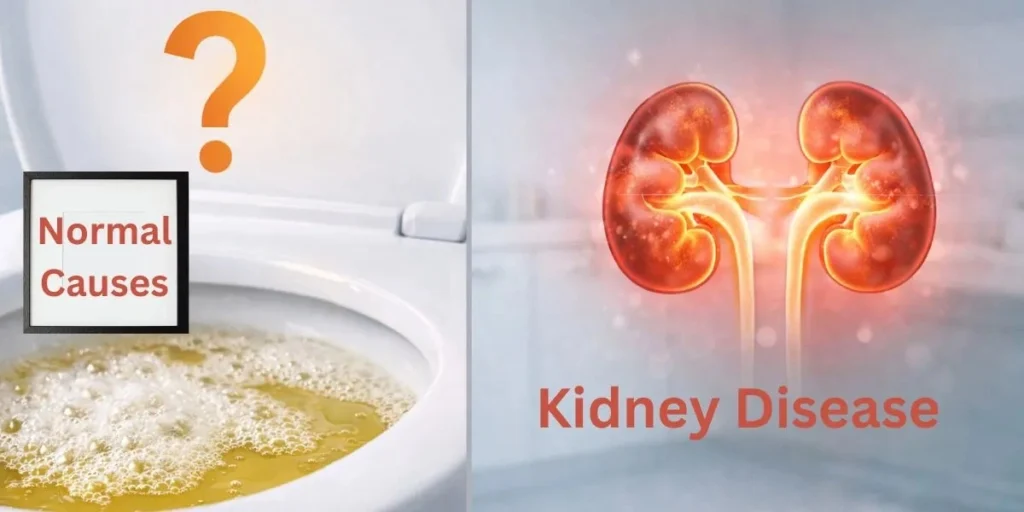
Foamy urine is the urine that looks bubbly, frothy, or like foam in the toilet bowl. The foam can disappear quickly or take a few minutes to go away. Sometimes, it is normal to see foam in the urine if the urine flow is strong. But if it happens regularly, it can be a sign of high protein or other problems.
As per the National Kidney Foundation, sometimes the foam in the urine can be related to proteinuria, which is a sign of possible kidney problems.
Common Causes of Foamy Urine
Foamy urine does not always mean kidney disease. Below are the most common causes found in adults in the USA.
Protein in Urine (Proteinuria)
Protein leakage is one of the main medical causes of foamy urine. The normal kidney does not permit the leakage of protein into the urine. When the filters of the kidneys (glomeruli) are damaged, protein leaks into the urine, making it foamy.
- Possible underlying conditions:
- Chronic Kidney Disease (CKD)
- Diabetic kidney disease
- Kidney damage due to high blood pressure
If the presence of foamy urine is a regular occurrence, a urine test can measure the amount of protein.
Dehydration
Dehydration is a very common and harmless cause of foamy urine. Dehydration leads to a concentrated urine, which causes temporary bubbles or foam.
Symptoms of dehydration:
- Dark yellow urine
- Dry mouth
- Fatigue
- Decreased urination
Drinking plenty of water will help relieve this condition.
Strong Urine Stream
Foam can also form when urine splashes forcefully into the toilet water. This is especially true when:
- The bladder is full
- The urine pressure is high
- There are toilet bowl cleaning agents
This type of foam will dissolve quickly and is not associated with kidney problems.
Urinary Tract Infections (UTIs)
Infections of the urinary tract may, at times, result in foamy urine. UTIs are prevalent in both men and women in the United States.
The symptoms include:
- Burning while urinating
- Urinary frequency
- Cloudy or pungent urine
If the above symptoms are accompanied by foam, then further medical testing is required.
Diabetes or High Blood Pressure
Long-term uncontrolled diabetes or hypertension can damage kidney filters, leading to protein leakage. Foamy urine may sometimes be one of the early signs.
The Mayo Clinic notes that persistent proteinuria can indicate kidney stress caused by metabolic conditions.
When Should You Be Concerned?
Foamy urine may require medical care if you experience the following:
- Persistent foamy urine
- Swelling in the feet or face
- Fatigue or weakness
- Changes in urination patterns
- Presence of high blood pressure or diabetes
In this case, a urine protein test and a blood test for kidney function (creatinine and GFR) can help determine the cause.
Is Foamy Urine Always a Sign of Kidney Disease?
Not necessarily. Indeed, some individuals may have temporary foamy urine due to dehydration, a high-protein diet, or rapid urination. Nonetheless, persistent foam that persists may need to be checked.
Early stages of kidney problems may have mild symptoms. This is why it is important to monitor symptoms such as foamy urine.
How Is Foamy Urine Diagnosed?
The doctors in the USA usually employ the following tests:
- Urine routine test (to check for protein)
- Albumin to Creatinine Ratio (ACR)
- Blood test (creatinine, GFR)
- Blood pressure and diabetes check
These tests will help determine if the foam is normal or if it is related to kidney function.
Natural & Ayurvedic View on Foamy Urine
Foamy urine in Ayurveda is linked to imbalances in “Mutravaha Srotas” (urinary channels) and kidney filtration weakness. Ayurveda, instead of concentrating on symptoms, tries to restore balance in digestion, metabolism, and fluid regulation in the body.
The treatment method at Medilux Ayurveda includes:
- Natural support for kidney filtration
- Prevention of protein leakage
- Enhanced hydration and metabolism
- Individualized herbal remedies
This approach can be combined with conventional treatment, especially for people looking for preventive measures for kidneys in the USA.
Lifestyle Tips to Reduce Foamy Urine Naturally
Stay Well Hydrated
Drink adequate amounts of water. Drinking water will help to reduce the concentration of urine and the formation of foam.
Manage Blood Sugar & Blood Pressure
If you have diabetes or blood pressure, managing the condition will help to protect your kidneys and prevent the leakage of proteins.
Reduce Excess Protein Intake
Excess protein intake will cause a temporary increase in the proteins in the urine.
Maintain a Kidney-Friendly Diet
Include:
- Fresh fruits and vegetables
- Whole grains
- Low-sodium foods
- Herbal kidney-supportive options (as guided by Ayurveda)
Avoid Smoking and Excess Alcohol
Both can impair the filtration function of the kidneys over time.
Can Foamy Urine Be Reversed?
Foamy urine caused by dehydration or transient conditions can be reversed easily by making changes to one’s lifestyle. Foamy urine caused by proteinuria or kidney stress can be managed by taking early action, controlling one’s diet, and following Ayurvedic remedies.
Final Thoughts : Does Foamy Urine Mean
Foamy urine is a symptom that should not be dismissed—but it is not necessarily life-threatening. In most instances, foamy urine is merely a sign of dehydration or high urine flow rates. Yet, in some instances, it may be a sign of protein excretion or kidney overload, particularly in patients with diabetes, hypertension, or at-risk kidney disease.
For patients in the United States seeking a more holistic treatment, a combination of medical analysis and Ayurvedic kidney care from Medilux Ayurveda may be a well-rounded approach to overall health.
How Medilux ayurveda can help you with your kidney disease?
At “Medilux Ayurveda” we offer personalized treatment for kidney patients, including tailored diet plans and lifestyle modifications. Regardless of whether you are in stage 1 through stage 5 of kidney disease or are currently on dialysis, we are available to assist you 24×7.
To begin your holistic treatment, get in touch with us at “Medilux Ayurveda” for a complimentary doctor consultation. Please complete the patient form and submit it with basic information about your condition, and our certified team will contact you as soon as possible. Alternatively, you can also reach our team via phone or live chat.