
Is Nephrotic Syndrome and Glomerulonephritis Same? A Complete Guide
When people look up information on kidney problems, one question that pops up is: “Is Nephrotic Syndrome and Glomerulonephritis same?” While both are related to the kidneys and the glomeruli (small filtering structures), they are not the same thing. But they might be connected in some way, which is why people often get confused about them.
In this complete resource by Medilux Ayurveda, we will discuss the differences, similarities, causes, symptoms, and Ayurvedic take on these kidney problems—written specifically for people in large USA cities such as New York, Los Angeles, Chicago, Houston, and Dallas who are looking for natural ways to treat their kidneys.
Understanding the Basics: What is Nephrotic Syndrome?
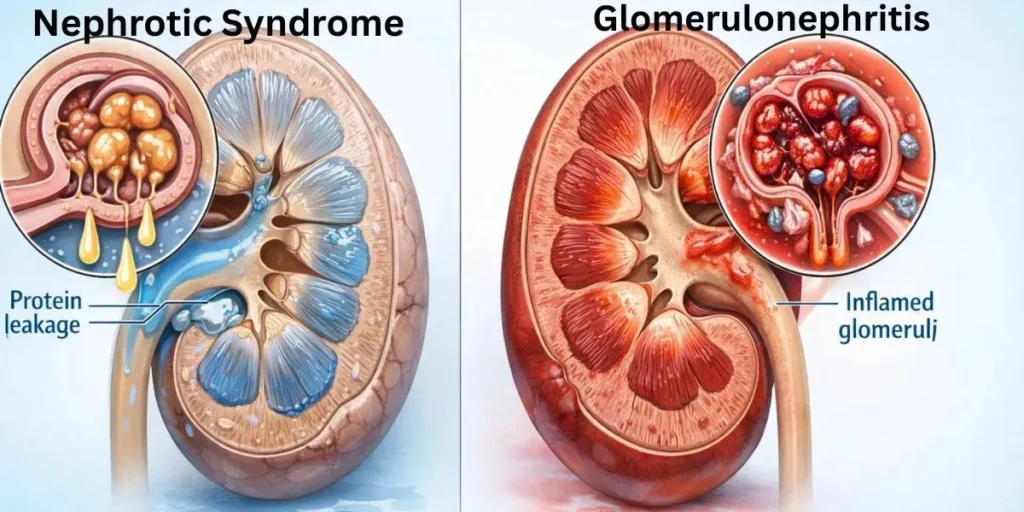
Nephrotic syndrome is not a disease but a syndrome of symptoms that occur when the kidneys leak too much protein into the urine because of damaged glomeruli.
Key Features of Nephrotic Syndrome
- Protein loss in urine (proteinuria)
- Low blood protein levels (hypoalbuminemia)
- Swelling in the body (legs, feet, and face)
- High cholesterol levels
- Foamy urine
Nephrotic syndrome is a common condition in children but can also occur in adults due to diabetes, lupus, or kidney infections.
What is Glomerulonephritis?
Glomerulonephritis is the inflammation of the glomeruli, which can be acute or chronic. This inflammation affects the filtering process of the kidneys and can cause permanent damage to the kidneys if left untreated.
Types of Glomerulonephritis
- Acute glomerulonephritis
- Chronic glomerulonephritis
- Post-infectious glomerulonephritis
- IgA nephropathy
- Lupus nephritis
It can occur suddenly following an infection such as strep throat or gradually as a result of an autoimmune disease.
Is Nephrotic Syndrome and Glomerulonephritis Same?
The Short Answer: No, They Are Not the Same
Although both diseases affect the glomeruli, the underlying mechanisms, manifestations, and management strategies are quite different. However, certain types of glomerulonephritis may cause nephrotic syndrome, and this is why they are commonly confused with each other.
Key Differences Between Nephrotic Syndrome and Glomerulonephritis
| Feature | Nephrotic Syndrome | Glomerulonephritis |
| Nature | Symptom complex | Specific kidney disease |
| Main Issue | Protein leakage | Inflammation of glomeruli |
| Urine Findings | Heavy proteinuria | Blood + protein in urine |
| Swelling | Severe edema common | Mild to moderate swelling |
| Blood Pressure | Usually normal | Often high |
| Cause | Diabetes, minimal change disease | Infections, autoimmune disorders |
| Risk | Infection & clotting risk | Progressive kidney damage |
From this table, it is clear that although both affect the kidney filters, they have different causes.
Similarities Between Both Conditions
Although both nephrotic syndrome and glomerulonephritis have their differences, they also have some similarities:
- Both affect the kidney glomeruli
- Both result in proteinuria
- Both can cause chronic kidney disease
- Both need early detection and long-term care
Because of these similarities, patients with both conditions often think that they have the same disease.
Causes: Why Do These Conditions Occur?
Causes of Nephrotic Syndrome
- Diabetes mellitus
- Minimal change disease
- Focal segmental glomerulosclerosis (FSGS)
- Lupus
- Amyloidosis
Causes of Glomerulonephritis
- Bacterial or viral infections
- Autoimmune diseases (such as lupus)
- Vasculitis
- Genetic kidney disorders
- Immune system dysfunction
In most instances, glomerulonephritis becomes the cause that leads
Comparison of Symptoms
Nephrotic Syndrome Symptoms
- Severe swelling of the face, ankles, and abdomen
- Foamy urine
- Fatigue
- Weight gain due to fluid retention
- Loss of appetite
Glomerulonephritis Symptoms
- Presence of blood in the urine (cola-colored urine)
- High blood pressure
- Decreased urine production
- Swelling around the eyes
- Kidney pain in severe cases
Understanding these differences enables physicians in the USA to provide effective treatment for patients.
Diagnosis: How Doctors Differentiate Them
To determine whether a patient has nephrotic syndrome or glomerulonephritis, doctors may suggest the following tests:
- Urine protein test
- Blood tests (creatinine, albumin)
- Kidney ultrasound
- Kidney biopsy (most accurate)
- Immunological tests
Kidney biopsy can determine whether inflammation (glomerulonephritis) is contributing to the nephrotic syndrome.
Can Glomerulonephritis Cause Nephrotic Syndrome?
Yes, some forms of glomerulonephritis can cause nephrotic syndrome. These include:
- Membranous nephropathy
- IgA nephropathy
- Lupus nephritis
- FSGS
In these instances, nephrotic syndrome is a
Ayurvedic View of These Kidney Problems
According to Ayurvedic principles, nephrotic syndrome and glomerulonephritis are caused by an imbalance of Kapha and Pitta doshas, which affects the natural filtration process of the kidneys, known as Mutravaha Srotas.
Ayurvedic View
- Nephrotic syndrome: Kapha imbalance causing fluid retention and protein loss
- Glomerulonephritis: Pitta-induced inflammation damaging kidney tissues
Ayurvedic herbs and detoxification treatments work to:
- Decrease inflammation of the kidneys
- Regulate protein excretion
- Enhance natural filtration
- Rebalance doshas
Natural Ayurvedic Management Approach
- Herbal Remedies
- Common Ayurvedic herbs used for kidney health:
- Punarnava – reduces swelling and fluid retention
- Varun – helps in kidney detoxification
- Gokshura – enhances urinary filtration
- Kaasni – assists in protein metabolism
- Diet Plan for Kidney Protection
- Patients in the USA with the above kidney problems are usually advised to:
- Eat a low-sodium diet
- Take moderate protein
- Eat fresh fruits such as apples and berries
- Drink herbal water
- Avoid processed and high-sodium foods
- Lifestyle Tips
- Keep blood pressure under control
- Regulate sugar levels in diabetes
- Avoid smoking and alcohol
- Perform yoga and stress management
When to Seek Medical Help?
You should see a nephrologist immediately if you experience any of the following symptoms:
- Swelling that persists
- Presence of blood in the urine
- Presence of bubbles in the urine
- Sudden increase in weight
- Hypertension
Early treatment prevents progression to chronic kidney disease or kidney failure.
Conclusion: Are They Same or Different?
So, is nephrotic syndrome and glomerulonephritis the same thing?
The answer is no. Nephrotic syndrome is a set of symptoms that result from glomerular injury, while glomerulonephritis is a particular inflammatory disease of the glomeruli. However, glomerulonephritis can, at times, result in nephrotic syndrome, thus establishing a link between the two.
It is important to understand this difference in order to provide a proper diagnosis and treatment for the condition, which is crucial for proper kidney care, particularly for those patients in the major cities of the U.S. who are looking for holistic and Ayurvedic treatment options.
Both conditions can be controlled if proper treatment is provided at the right time, thus improving the quality of life and preventing any complications related to the kidneys.