
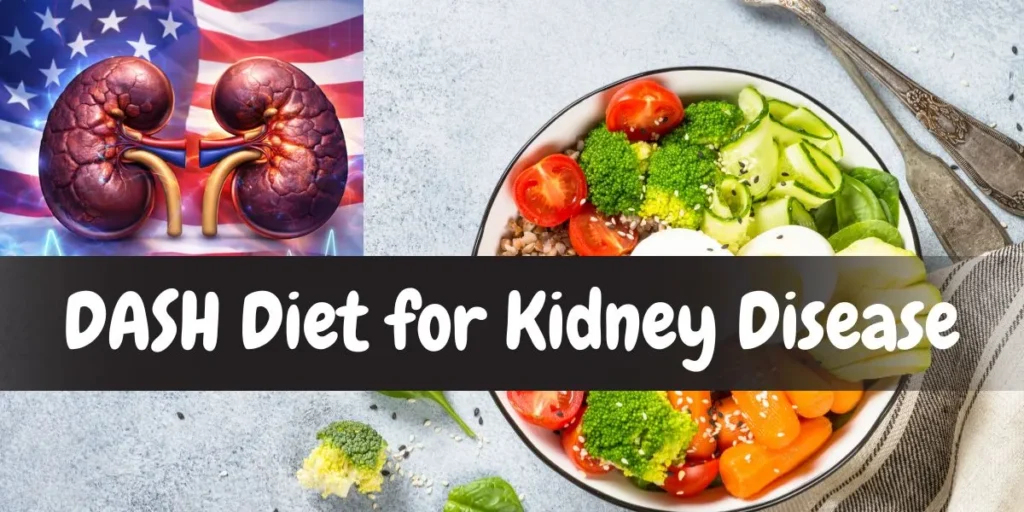
If you have kidney disease, you probably have heard of the DASH diet to lower high blood pressure. Many doctors will tell you it is a good way for your heart, but that leaves to a common question:
DASH Diet for Kidney Disease: Is It Safe and How to Follow It
The good thing is yes, you can but you will have to change the diet for people with CKD ever so slightly. Let’s talk about what that means in straightforward terms so that you understand.
What Is the DASH Diet?
DASH is short for Dietary Approaches to Stop Hypertension. It was made to help cut down high blood pressure and good heart health.
The usual DASH diet centers around:
- Fruits and veggies
- Whole grains
- Not much fat in animals
- Low-fat milk and cheese
- Cut back on salt, sugar, and hard fats
Since high blood pressure is a big cause of kidney disease, the DASH diet is often an option — but kidney patients should be extra careful.
Is the DASH Diet Good for Kidney Disease? (Simple Answer)
The DASH diet may help with kidney disease—even more so for controlling blood pressure. But, the typical DASH diet is NOT always high in the kidney issues area. Why? because it may have:
- Too much potassium
- A balanced dose of phosphorus or more
- A lot of protein, even more than people with kidney problems could eat.
For that reason, most kidney doctors say a changed DASH diet is a good thing to use for those who have CKD.
How the DASH Diet Can Help Kidney Health
The DASH diet has many pros for folks who have problems with their kidneys, when it is used the right way.
Good for Blood Pressure
Too high of a blood pressure can hurt your kidneys in the long run. The DASH diet:
- Cuts back on salt
- Keeps you eating clean foods
- Helps make blood flow easier
Lowered blood pressure slows down kidney damage.
Supports Heart Health
People with kidney disease are at higher risk for heart disease. The DASH diet:
- Limits unhealthy fats
- Encourages heart-healthy nutrients
- Reduces cholesterol levels
Protecting the heart also protects the kidneys.
Encourages Better Eating Habits
The DASH diet promotes:
- Less processed food
- More home-cooked meals
- Balanced portions
These habits are important for long-term kidney health.
Potential Risks of the DASH Diet for Kidney Patients
While the DASH diet has benefits, it also has possible risks if followed without changes.
Potassium Concerns
The DASH diet includes many high-potassium foods, such as:
- Bananas
- Oranges
- Potatoes
- Tomatoes
- Spinach
For some CKD patients, too much potassium can cause dangerous heart rhythm problems.
Phosphorus Intake
Foods like:
- Dairy products
- Whole grains
- Beans and nuts
Can increase phosphorus levels, which may weaken bones in kidney disease.
Protein Amount
Too much protein can:
- Increase kidney workload
- Speed up kidney function decline in some patients
DASH Diet for Different Stages of Kidney Disease
CKD Stages 1–2
- DASH diet is often safe with minor adjustments
- Monitor potassium and protein intake
- Sodium control is very helpful
CKD Stages 3–4
- DASH diet must be modified
- Potassium and phosphorus limits are important
- Protein portions should be controlled
Dialysis Patients
- Standard DASH diet is usually not recommended
- Nutrient needs are very different
- A renal dietitian should guide food choices
How to Modify the DASH Diet for Kidney Disease
This is the most important part.
1. Adjust Fruits and Vegetables
Choose lower-potassium options:
- Apples
- Berries
- Grapes
- Cabbage
- Cauliflower
- Green beans
Limit high-potassium foods unless your doctor says otherwise.
2. Watch Dairy Intake
Instead of large servings of milk or yogurt:
- Use smaller portions
- Choose kidney-friendly alternatives if approved
- Monitor phosphorus levels
3. Control Protein Portions
Choose:
- Lean poultry
- Fish (baked or grilled)
- Egg whites
Stick to recommended serving sizes, usually 2–3 ounces per meal.
4. Keep Sodium Low
Aim for:
- Less than 2,300 mg of sodium per day
- Or lower if your doctor recommends
Avoid:
- Processed foods
- Canned soups
- Fast food
Foods That Fit a Kidney-Friendly DASH Diet
- Fresh fruits (low potassium)
- Non-starchy vegetables
- White rice or pasta (in moderation)
- Skinless chicken
- Fish prepared without frying
- Olive oil
- Herbs and spices instead of salt
Foods to Limit on the DASH Diet With Kidney Disease
- High-potassium fruits and vegetables
- Processed meats
- Whole-grain products with added phosphorus
- Cheese and large dairy servings
- Salt substitutes (often high in potassium)
What Kidney Experts Recommend
Most kidney specialists agree:
- The DASH diet can be helpful
- It should never be followed without modification
- Blood tests should guide food choices
A renal dietitian can personalize the DASH diet to match your kidney stage and lab results.
Final Thoughts
The DASH diet for kidney disease can be safe and helpful, especially for lowering blood pressure — but only when it is properly adjusted.
If you have kidney disease:
- Don’t follow the standard DASH diet blindly
- Focus on low sodium
- Watch potassium, phosphorus, and protein
- Work with your kidney care team
Small changes can make a big difference in protecting your kidneys.